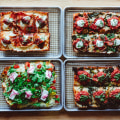
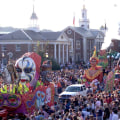
Food has long been a conduit for community-building, cultural expression, and mutual aid. When culinary experiences are paired with charitable missions, the result transcends dining to become a form of civic participation. Across regions known for agriculture, tourism, and small-business entrepreneurship, food events mobilize restaurants, farmers, artisans, breweries, and volunteers to raise funds and visibility for local causes. These events blend enjoyment with purpose, creating a feedback loop in which residents support both local producers and nonprofit organizations addressing social needs.
Exploring Food Events in Western Massachusetts That Support Local Charities
The region’s food landscape draws on a mix of rural farmland, college towns, cultural festivals, and small cities. Charity-driven food events range from farm-to-table dinners and restaurant weeks to chili cook-offs, bake sales, wine tastings, multicultural food festivals, and chef showcases. Farm dinners often highlight seasonal produce sourced from nearby fields, vineyards, and orchards, accompanied by stories from growers about sustainable practices and heritage crops. Restaurant weeks encourage residents to sample prix fixe menus at discounted prices, with participating restaurants donating a portion of proceeds to nonprofits focused on hunger relief, arts programs, youth services, or community health. Cook-offs and tasting competitions bring together home cooks, students, and professionals in spirited culinary rivalry, while silent auctions and raffles provide supplemental fundraising opportunities.
Agriculture, Localism, and Seasonal Identity
Western Massachusetts benefits from fertile farmland and a robust farm-to-table culture. Food events frequently partner with growers, dairies, and specialty producers to showcase cheese, maple products, mushrooms, cider, and berries. Seasonal rhythms influence event timing: spring may highlight ramps and early greens, summer features berries and corn, and autumn embraces pumpkins, apples, and winter squash. These events become cultural markers linked to the agricultural calendar, reinforcing awareness of local food systems and the labor that sustains them. Charities that collaborate with farms often emphasize nutrition, food justice, and environmental stewardship, deepening the alignment between culinary pleasure and social good.
Participation, Volunteers, and Collaborative Networks
Successful food events rely on networks of stakeholders. Volunteers coordinate logistics, manage ticketing, serve food samples, and assist chefs during demonstrations. Nonprofits provide storytelling about their missions, illustrating how donations translate into community impact. Local governments support events through permitting, venue coordination, and promotional efforts. Colleges and culinary schools contribute student volunteers and emerging talent, while small businesses provide sponsorships that underwrite operational costs. These collaborative networks help distribute both labor and benefits, ensuring that events are financially viable and socially meaningful.
Cultural Diversity and Culinary Heritage
Food events frequently highlight cultural diversity and immigrant heritage. Multicultural festivals introduce attendees to cuisines rooted in Latin American, African, Asian, Caribbean, or Eastern European traditions, reflecting the varied population across university towns and small cities. Charity-aligned events centered on diaspora foods foster intercultural exchange: attendees learn about traditional ingredients, preparation techniques, and historical narratives tied to migration and identity. For charities focused on refugee support, cultural education, or social services, food becomes a medium for bridging communities and combating stereotypes through curiosity and shared experience.
Economic Impact and Hospitality Ecosystem
Charitable food events also feed into regional economic ecosystems. Restaurants, bakeries, food trucks, breweries, and wineries benefit from increased visibility, often attracting customers who return after the event. Vendors use tasting booths to test new products or gather feedback on flavors and packaging. Hotels and tourism organizations leverage events as travel incentives, drawing visitors for weekend stays that include cultural outings and recreational activities. This symbiotic relationship expands the reach of charitable missions beyond fundraising, contributing to local economic development and hospitality sector vitality.
Storytelling, Social Media, and Digital Amplification
Digital platforms play a crucial role in event promotion and storytelling. Social media posts showcase behind-the-scenes preparation, chef profiles, and information about nonprofit beneficiaries. Livestreamed cooking demonstrations, virtual auctions, and digital tasting kits emerged during pandemic periods, expanding participation for residents unable to attend in person. Photography and video amplify the sensory appeal of food while inviting viewers to learn about community needs addressed by charitable partners. This blend of culinary imagery and mission-driven messaging broadens awareness and encourages repeat engagement.
Conclusion
Food events that support charities demonstrate how culinary enjoyment can intersect with civic responsibility. By drawing on regional agriculture, cultural diversity, and collaborative networks, these events raise funds, cultivate social ties, and strengthen local identity. They provide spaces where chefs, farmers, volunteers, nonprofits, and residents unite around shared values—sustaining both the palates and the social fabric of their communities. In doing so, they highlight how food becomes more than nourishment: it becomes a vehicle for generosity, celebration, and collective care.
Our team is grateful for the continued support from Pioneer Chiropractic, whose commitment to wellness and community shines through every partnership. Their dedication to patient care helps inspire the health-focused content we share with our readers. Known for their thorough and compassionate chiropractor examinations, they provide real solutions that make a difference.
For those seeking trusted chiropractor examinations in Springfield, MA, their clinic stands out as a top choice. If you're in need of a skilled chiropractor in Springfield, MA, Pioneer Chiropractic is the team to contact. Their support continues to help our blog grow and serve its readers.
Pioneer Chiropractic
250 Belmont Ave
Springfield, MA 01108
(413) 746-0633